Chasing First Light and Last Glow by the Water
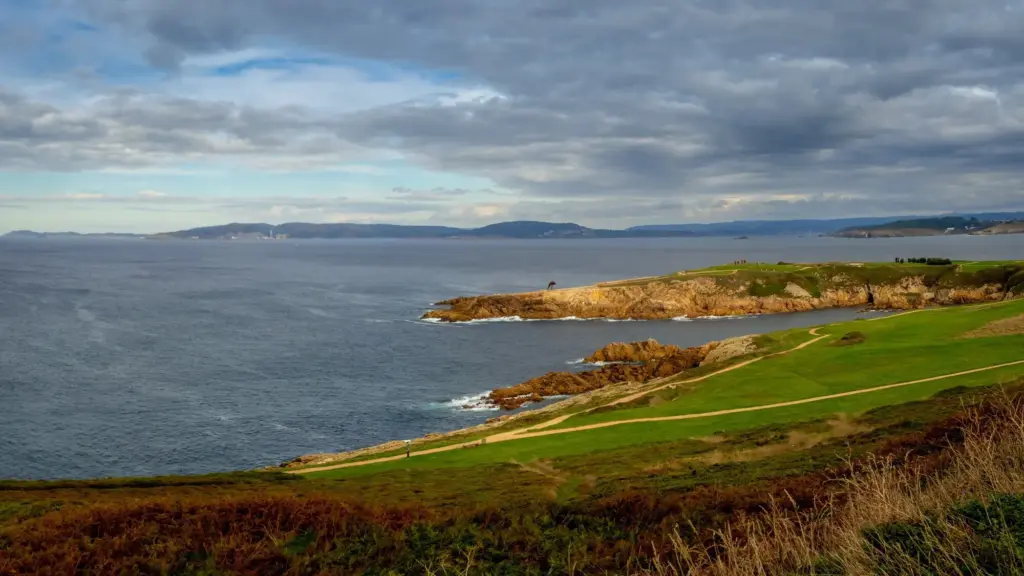
Today we dive into the top sunrise and sunset photography spots around Belfast Lough, sharing hard-earned local insights, planning tips, and field-tested techniques. Expect reflections, silhouettes, sea-scented breezes, and a few stories from cold mornings when color finally erupted after everyone else gave up. Bring curiosity, respect the shoreline, and join the conversation by dropping your favorite viewpoints, seasonal experiences, and questions so others can discover new angles and return home with frames that truly sing.

A Dawn-to-Dusk Game Plan

Getting memorable light around the lough means thoughtful timing, a flexible mindset, and an eye on weather, tides, and access. Arrive early, scout exit routes safely, and embrace surprises like sea mist, lingering afterglow, or windows of calm water between gusts. Layer up, pack snacks, prepare backups, and keep your compositions evolving as the color transitions from cold blues to warm pastels, then into deep copper and ember tones. Above all, slow down and actually watch the light change.

East Shore Highlights Worth Waking For
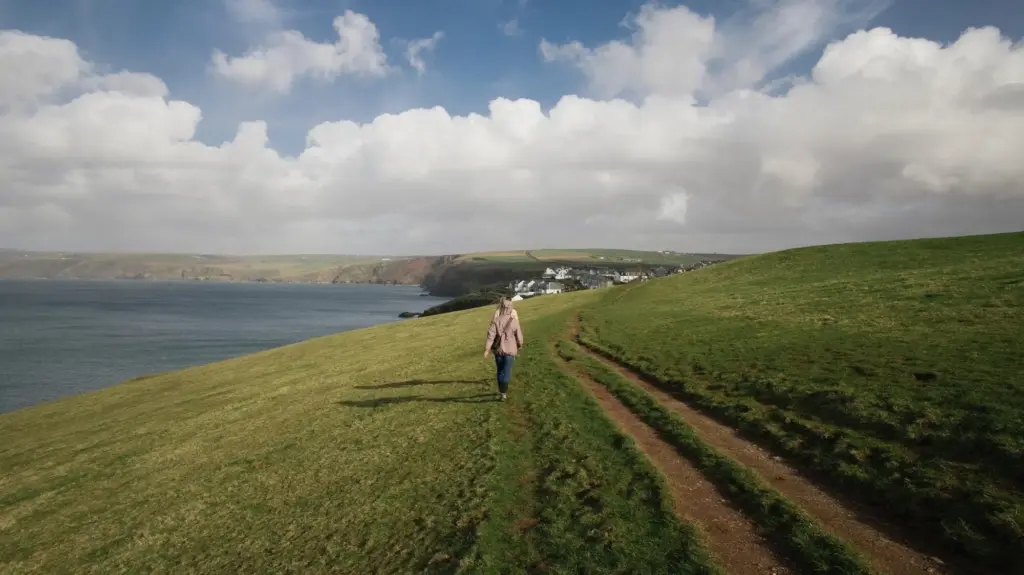
Holywood Seapark and Kinnegar Flats
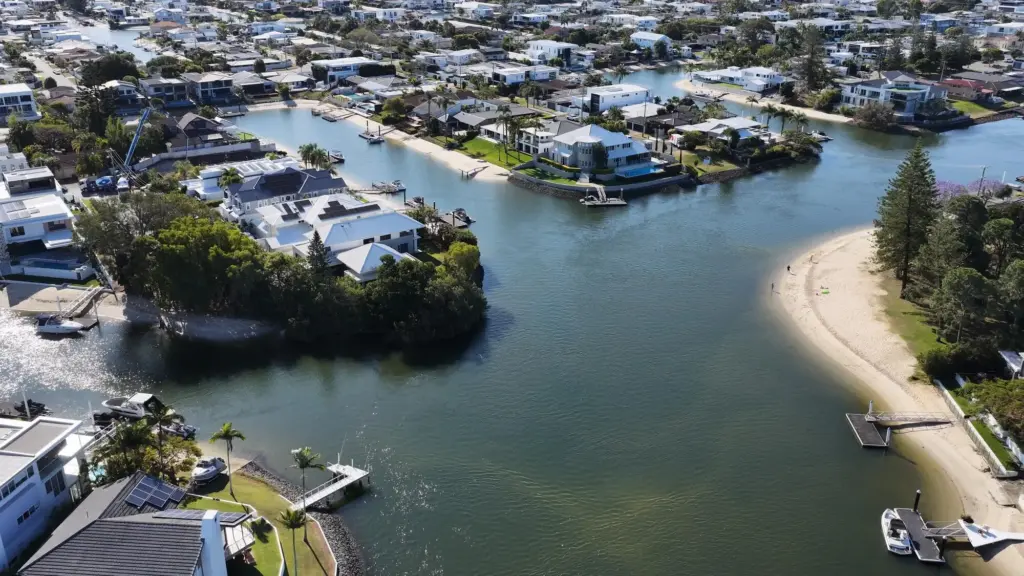
Pre-dawn blues settle beautifully across the exposed flats, where shallow pools double the sky and waders stitch delicate silhouettes into the scene. Keep low to emphasize texture, watch flight lines, and track ripples as breeze patterns change. On windless mornings, pastel bands reflect perfectly across mirrored water, giving gentle minimalism. Mind soft mud underfoot, tread lightly, and carry a small towel for quick lens cleaning when sea spray or mist drifts across your filter at first light.

Cultra and Seahill Jetties

Jetties at Cultra and Seahill offer crisp leading lines that funnel attention toward brightening horizons and distant ship silhouettes. Time your arrival to catch commuter trains briefly flashing color along the coastal line, adding energy and scale. With a modest telephoto, compress layers of shoreline, posts, and anchored boats into harmonious geometry. When the tide is high, soft swells create painterly blur during longer exposures, while lower water reveals textured stones that anchor the foreground and stabilize the frame.

Helen’s Bay and Crawfordsburn Headlands

Rugged rocks let you build dynamic, low-angle arrangements beneath blossoming skies. Pair a six-stop neutral density filter with careful tripod placement to create silk-smooth water without losing shape in the swash. Search for gentle S-curves threading wet stone, and time exposures between waves to preserve detail. When color fades, stay for blue-hour moodiness, capturing warm windows glowing across the bay. Keep an eye on footing, especially when green algae turns promising perches into treacherously slick launchpads.

West and North Shore Icons

As light swings across the lough, western and northern viewpoints shine with strong silhouettes, medieval stone, and broad promenades ideal for reflections. Expect different energy than the hush of dawn flats: castles catch copper, harbor lights sparkle, and moored boats form pleasing graphic clusters. Embrace slower shutter speeds for water texture, then switch quickly when seabirds sweep into frame. Scouting here pays off, especially when clouds break after rain, backlighting edges and revealing unexpected shafts of molten sunlight.

Hazelbank Park and Jordanstown Loughshore

This stretch offers sweeping views toward the harbor cranes and curving shoreline that frames deepening evening color. At high tide, promenade puddles mirror sky gradations; at low tide, glistening seams of sand crisscross the bay. Use a moderate wide-angle to balance foreground geometry with industrial silhouettes, then step back for cleaner horizons. When wind calms, subtle reflections appear between ripples, letting you isolate minimal designs and savor moments when city light gently kisses lingering twilight blues.

Carrickfergus Castle Promenade

Stone walls glow fiercely when sun edges through gaps at sunset, throwing long shadows and igniting textures. Arrive early to choose uncluttered angles before evening walkers fill the path. A polarizer tames glare on wet stone yet preserves sheen across water. Try bracketing to balance sky fire with dark battlements, and wait for gulls to arc precisely where lines converge. After official sunset, don’t pack up—soft afterglow often crowns the castle with rose and lavender veils.
Cityside Drama and Industrial Poetry
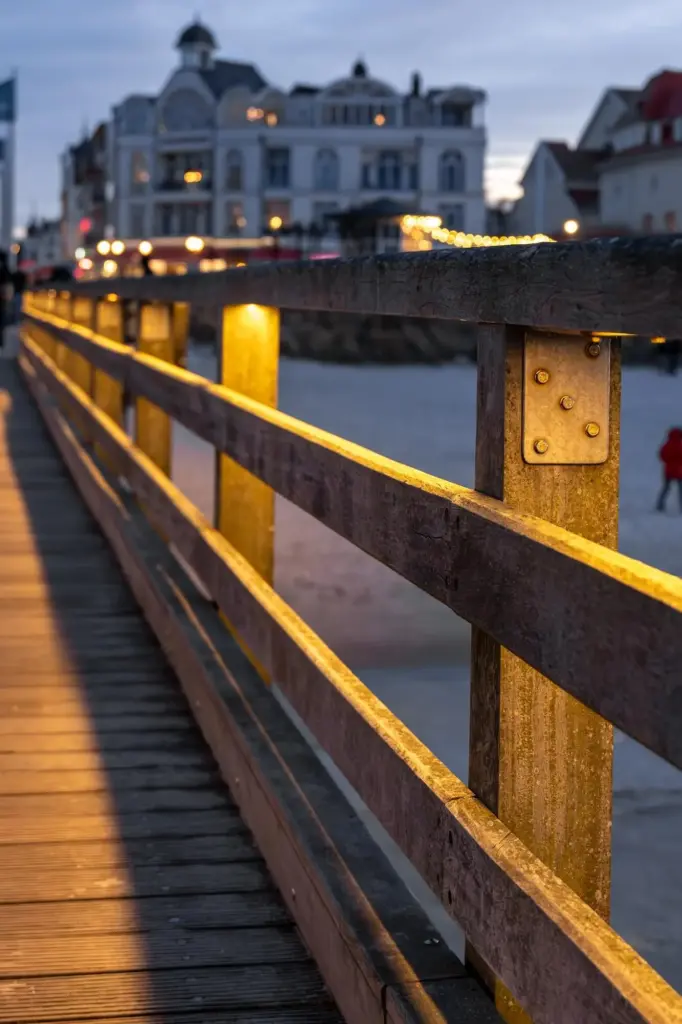
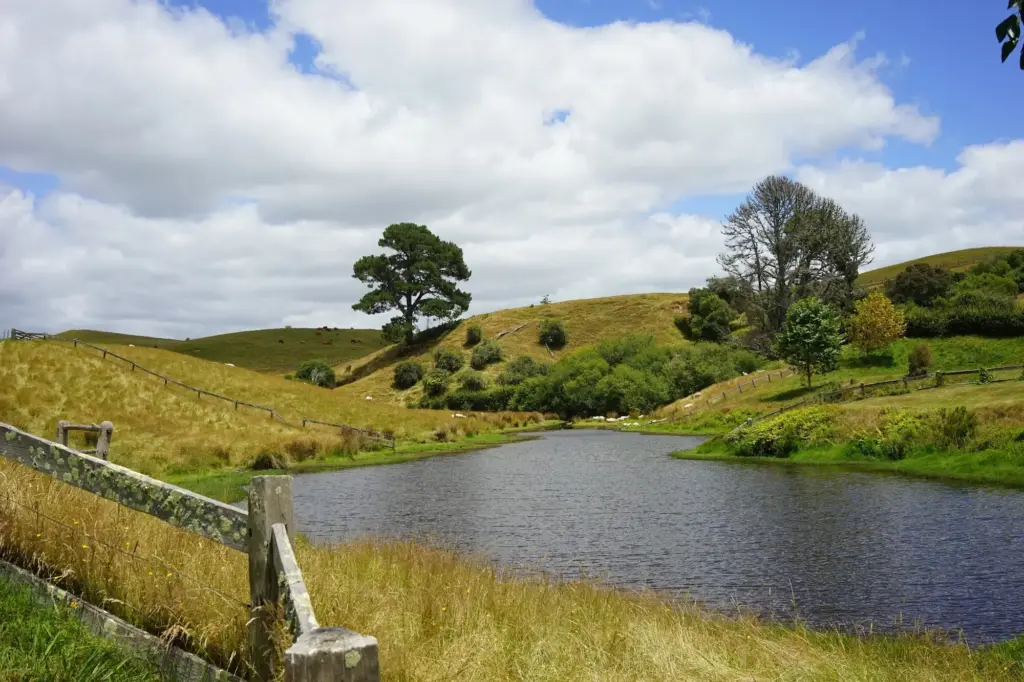
Closer to the city, light tangles with cranes, docks, and reflective channels, creating a bold interplay of color and structure. Rising mist from the river can soften hard lines, while illuminated windows add warmth to fading twilight. Embrace contrasts: delicate sky gradients floating above iron geometry, or glassy puddles staging perfect upside-down cranes. Move deliberately; even small shifts change foreground clutter into clarity. Respect working areas, follow signage, and let the rhythm of ship horns inspire patient timing.

Techniques for Water, Color, and Sky

Belfast Lough rewards a versatile toolkit and calm decision-making under shifting conditions. Carry neutral density filters for long water textures, a graduated filter to tame bright horizons, and a circular polarizer for glare control. Expose to protect highlights while preserving subtle color separations in peach, amber, and magenta. Keep compositions simple, exploiting leading lines like jetties, slipways, and sea walls. When in doubt, wait for decisive ripples or a silhouetted figure to clarify scale and intention.

Long Exposures that Breathe

A six-stop neutral density filter often yields silky yet detailed water between one and ten seconds, depending on wave energy. Experiment with intervals to retain character in swells while smoothing chaotic chop. Anchor the scene using unmoving subjects—bollards, ladders, castle stones—so softness reads purposeful. Shield your setup from wind, double-check focus before attaching filters, and review histograms. When color peaks briefly, bracket quickly, then return to your long exposure rhythm as the glow deepens toward moody cobalt.

Reflections, Polarizers, and Angle of View
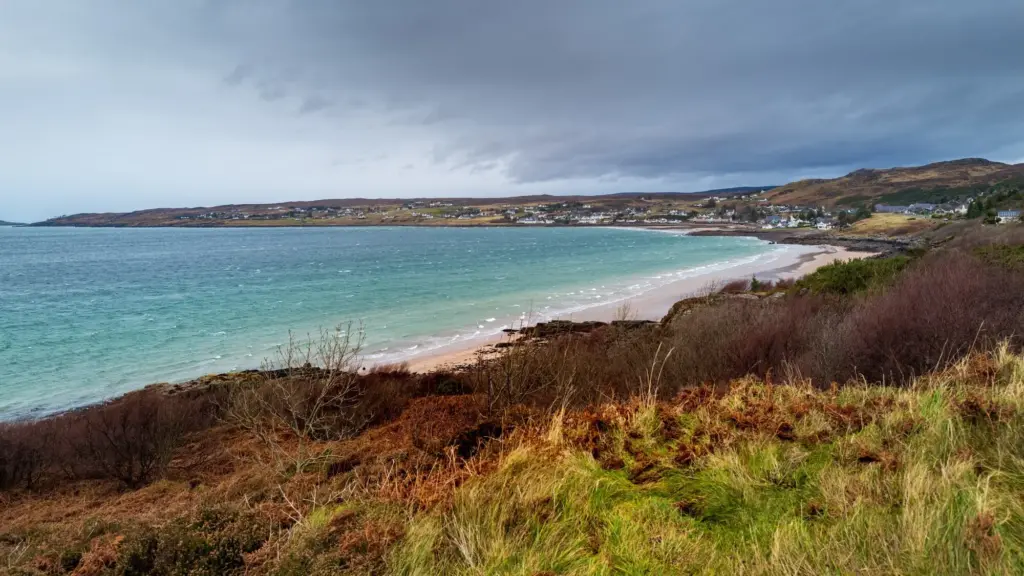
Use a circular polarizer sparingly when you want reflections; rotate to preserve mirror detail while reducing harsh glare across wet rocks and metallic structures. Slight camera height changes dramatically adjust the reflection’s balance, so kneel or stand to fine-tune symmetry. Sideways steps alter leading lines along rails and shore edges. Watch for microcurrents smudging mirrors, then time exposures between tiny ripples. When reflections strengthen, simplify by removing distractions, letting color gradients and silhouetted shapes carry emotional weight.

Color Management and Dynamic Range

Sunrise and sunset compress highlights and shadows into risky extremes, so meter for the brightest clouds, then lift midtones gently. Consider subtle bracketing for insurance rather than aggressive HDR. Set a consistent white balance—around daylight—to preserve believable color relationships. In post, favor micro-contrast over blunt saturation, and keep blacks breathable so reflected gradients remain silky. Small dodges along ripple crests or railing lines can guide the eye without shouting. The goal is resonance, not spectacle.

Wildlife, People, and Waterfront Etiquette

{{SECTION_SUBTITLE}}
Seasonal Birds and Patience from Afar
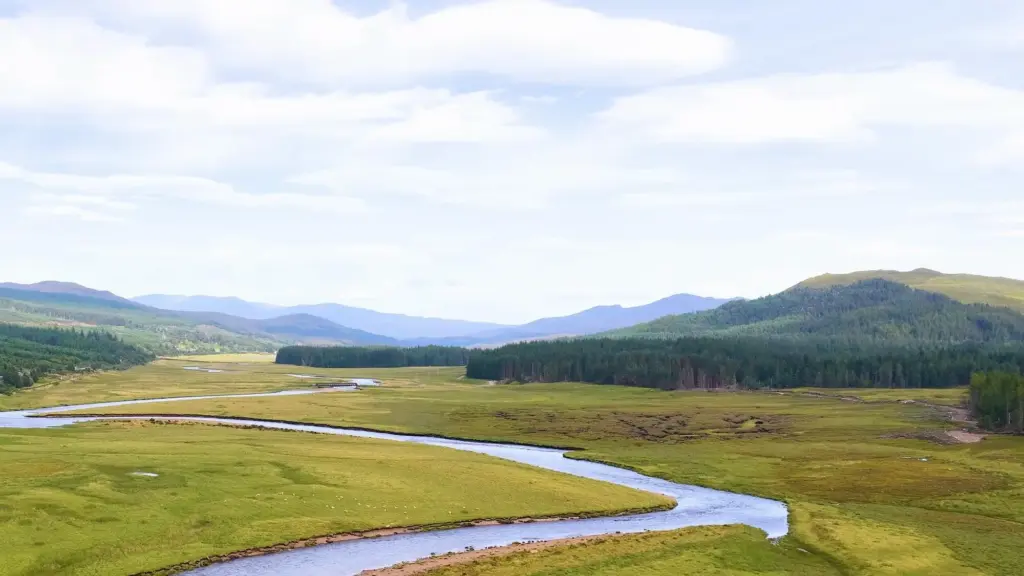
Winter brings rich gatherings of waders and gulls across mudflats, while summer dawns sparkle with swift arcs and subtle feeding patterns. Use longer lenses and silent shutters to reduce disturbance, and step back when behaviors change. Position with wind at your back for steadier flight paths and cleaner sound. Let light, not pursuit, shape your images. Often the most moving frames hold respectful distance, relying on gesture, spacing, and quiet reflections to tell a tender, truthful shoreline story.

Sharing Space with Anglers and Walkers

Greet people, ask where lines are cast, and avoid crossing through active swims or blocking pathways. Headlamps should dip down, especially near water, to protect night vision. Dogs and runners animate frames; be ready with faster shutter speeds and flexible compositions. When a pier grows busy, slide to a secondary perch rather than staking territorial claims. Goodwill travels quickly, and you will be welcomed back, discovering tips about when mackerel run, where puddles form, and which corners stay calm.
Temidavolorisento
Privacy Overview

This website uses cookies so that we can provide you with the best user experience possible. Cookie information is stored in your browser and performs functions such as recognising you when you return to our website and helping our team to understand which sections of the website you find most interesting and useful.