Signals on the Wind: Exploring the Watchful Shores of Belfast Lough

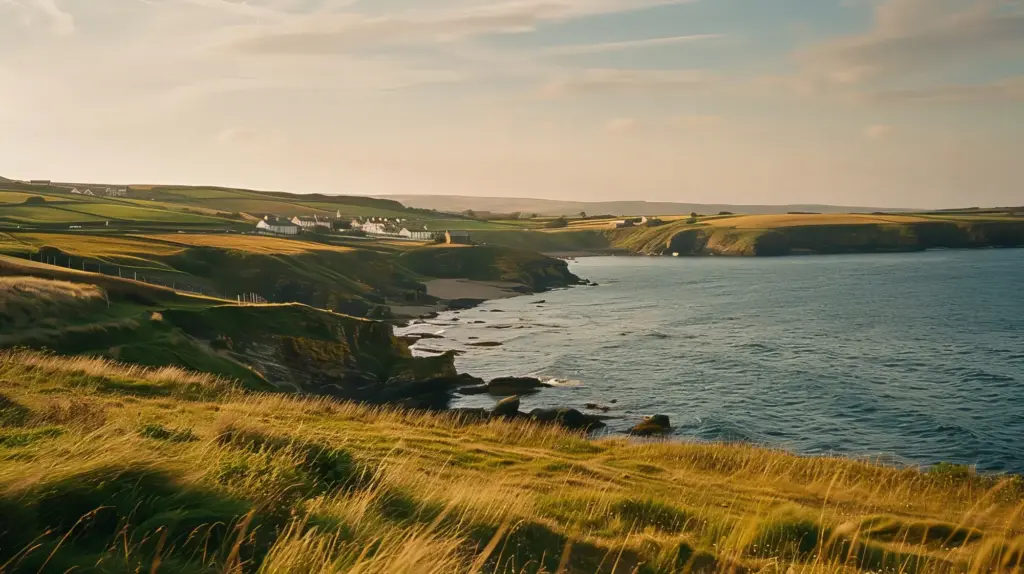
Step into the living story of Historic Signal Stations and Wartime Observation Sites around Belfast Lough, where lighthouse beams, semaphore flags, coastal batteries, and steadfast volunteers once guarded a crucial gateway. We will walk cliff paths, decode surviving structures, and meet the human ingenuity that kept warnings moving faster than the tide and courage steadier than the winds.

From Flags to Flash: The Coast’s Communicating Past

Before radio crackled across decks, messages leapt from headland to headland by color, light, and disciplined routine. Along this lough, signals could mean a pilot’s arrival, a storm warning, or a vessel in distress. Watchkeepers balanced precision with judgment, translating weather, traffic, and urgency into crisp, legible cues that sailors trusted when seconds shortened and choices narrowed.

Grey Point Fort: Holding the Narrows

Guarding the lough’s mouth, Grey Point blended engineering with community grit. Emplacements faced the channel, instruments measured bearing and range, and galleries hid ammunition from curious weather. Yet its most vital mechanism was human: crews who kept routines sharp, brewed restorative tea, and turned cold darkness into alert watchfulness that gave merchantmen a safer road to industry.

Harbours, Headlands, and a Chain of Watchers

{{SECTION_SUBTITLE}}

Carrickfergus Castle’s Waterside Eyes

Beside ancient stone, modern routines unfolded: harbor staff noting arrivals, tide conditions, and unusual signals, then phoning or dispatching messages inland. The castle’s presence reminded everyone that warning and welcome have coexisted here for centuries. Old walls watched over new practices, proving that vantage is timeless even as the tools atop it change their look and language.

Bangor’s Piers and Lifeboat Links

A pier can be a lighthouse of people. Fisherfolk, lifeboat crews, and harbor officers developed a choreography that turned chance encounters into swift responses. From whispered hints of weather turning bad to firm alerts about gear adrift, the pier’s everyday murmur became an early-warning network, stitching maritime experience into practical help when water suddenly demanded respect.

Hiking the Evidence: Paths, Ruins, and Respect

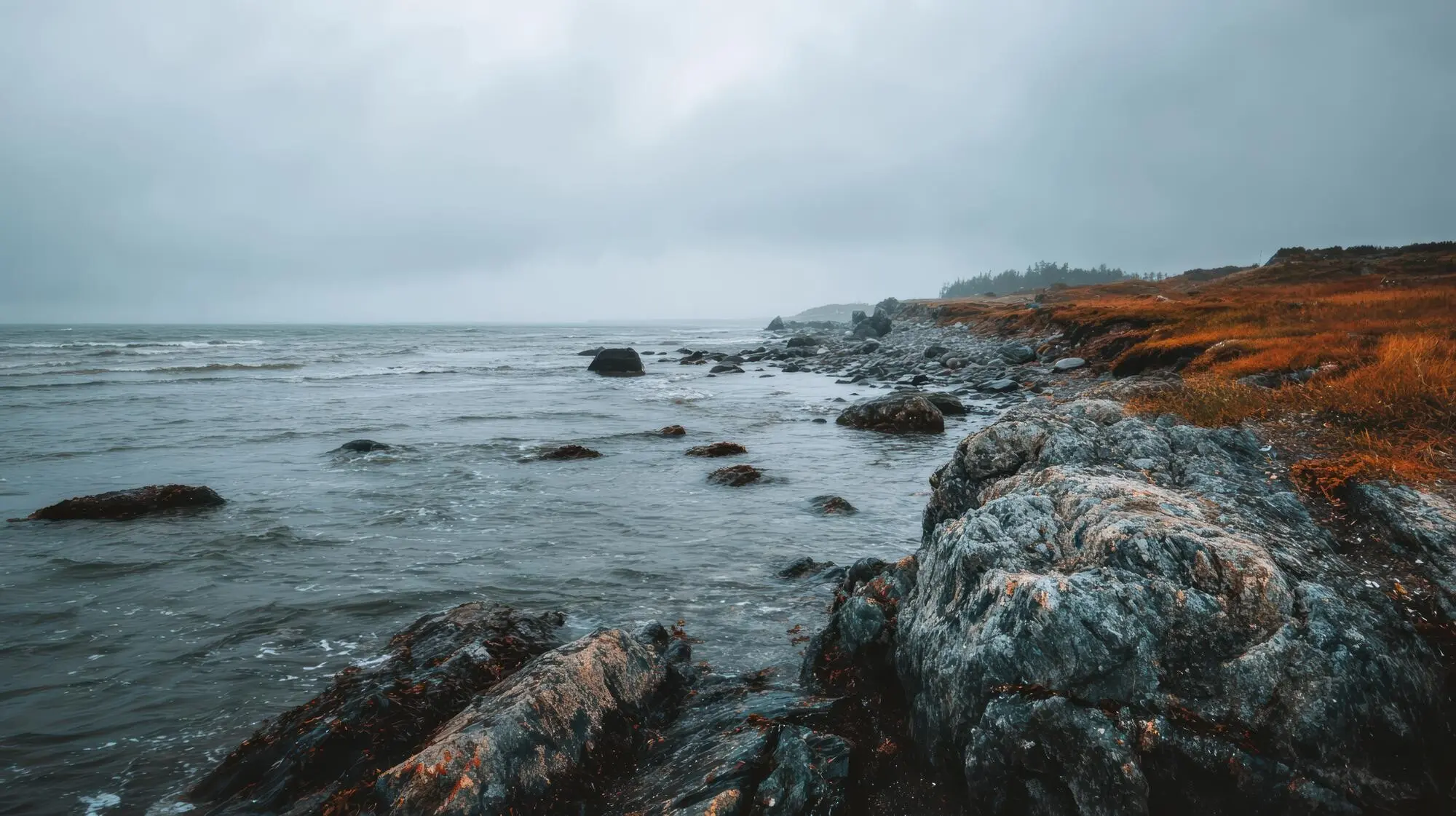
Remains along the lough whisper, not shout. Low concrete plinths, cable anchors, rusted bolts, and cutaways in turf are breadcrumbs to another era. Exploring them requires care: tides shift routes, edges crumble, and private land deserves courtesy. Take time to read plaques, heed gates, and leave each fragile clue exactly where future eyes can learn.

Watching the Skies: Balloons, Beams, and Quiet Posts

Sea-watching merged with sky-watching when conflict climbed above the horizon. Observation posts, barrage balloons, and carefully sited lookouts helped shield shipyards and convoys. Even simple notebooks mattered. The habit of noting time, direction, altitude, and sound turned fleeting moments into patterns commanders could trust, knitting human attention into an early fabric of air defense.

Stories from the Lough: Voices that Remember

History here feels close because it is told in local cadence. Retired keepers describe storms like characters; dockworkers recall sirens with textures; families remember letters arriving safe. These accounts fasten facts to feelings, reminding us that vigilance was carried by hands, lungs, and friendships that chose ordinary courage over spectacle, night after night, tide after tide.

Plan Your Visit and Share Your Discoveries

Maps, Archives, and Old Notices

Start with contemporary maps, then layer in historic charts and local records. Old harbor notices and lighthouse reports clarify what signals meant in practice. Museums and archives often hold station logs that turn vague ruins into legible diagrams. Keeping notes about sources ensures your interpretations can travel, be tested, and ultimately enrich shared understanding.

Safety, Tides, and Wildlife

Respect the sea’s timetable. Slick rock, sudden swell, and crumbly paths demand humility. Avoid nesting areas, watch for seal haul-outs, and give birds quiet air. Choose daylight over bravado. Bring a friend, charge your phone, and let someone know your plan. Heritage thrives when explorers return home wiser, not when bravado steals the closing paragraph.

Join the Conversation with Local Historians

Your observations can help fill blanks on maps and minds. Comment, subscribe, and send notes with grid references, dates, and photos. Ask questions rather than declaring certainty. Local historians, volunteers, and veterans’ families often reply with details that change everything. Together, careful curiosity becomes a chorus that keeps this shoreline’s vigilant memory awake and generous.
Temidavolorisento
Privacy Overview

This website uses cookies so that we can provide you with the best user experience possible. Cookie information is stored in your browser and performs functions such as recognising you when you return to our website and helping our team to understand which sections of the website you find most interesting and useful.